
MCP vs. CLI: How AI Connects to the Tools That Run Your Business
A CLI hands an AI agent a keyboard. MCP hands it a menu. Here is the difference in plain English — with diagrams — and why the right answer for most businesses is both.
Read Article
Insights, articles, and updates from the ViviScape team on software development, AI, and digital transformation.
A CLI hands an AI agent a keyboard. MCP hands it a menu. Here is the difference in plain English — with diagrams — and why the right answer for most businesses is both.
Read Article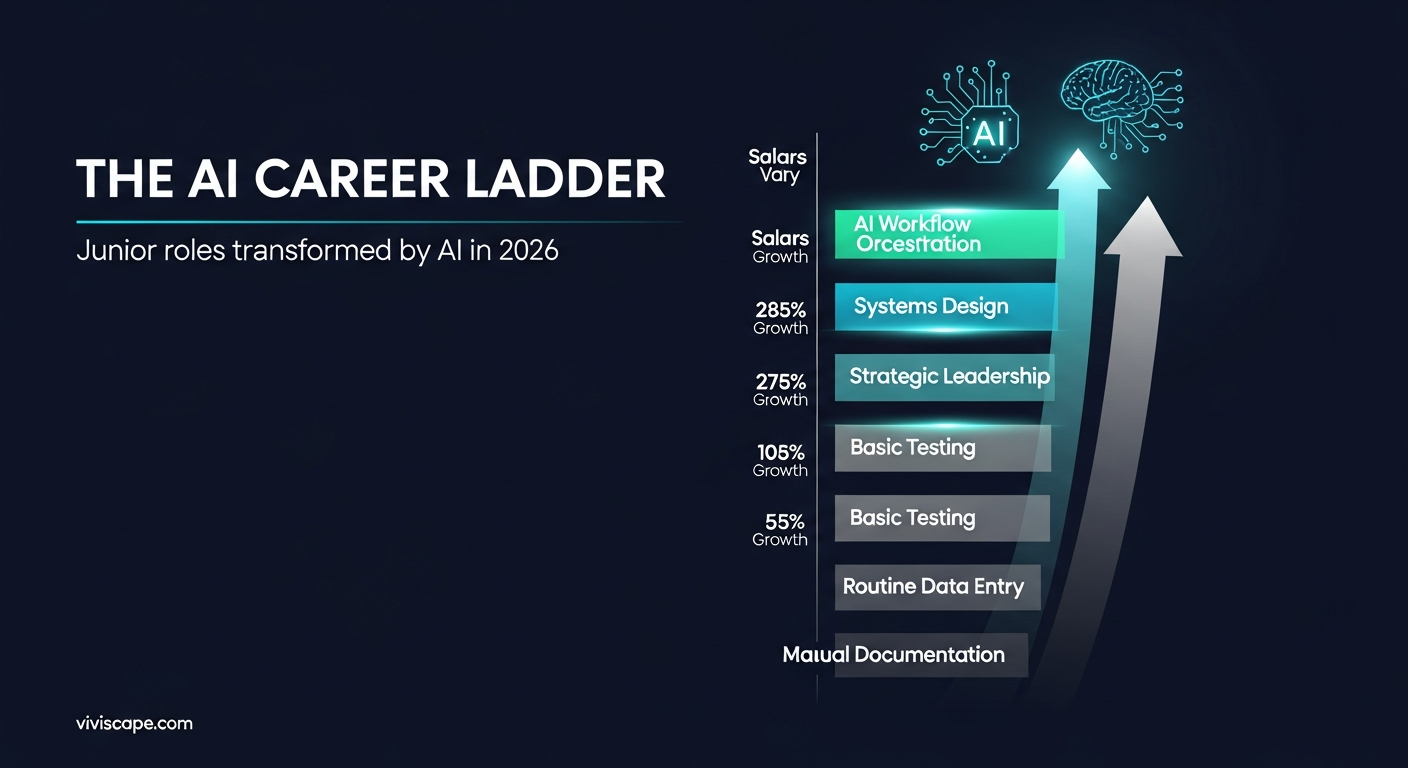
72% of companies reduced entry-level hiring in 2025. Entry-level postings are down 35% in finance and consulting. But AI-native companies are building junior staff who do 3–5 year employee work from day one — and retaining them at 2.3x the rate. Here is the design playbook.
Read Article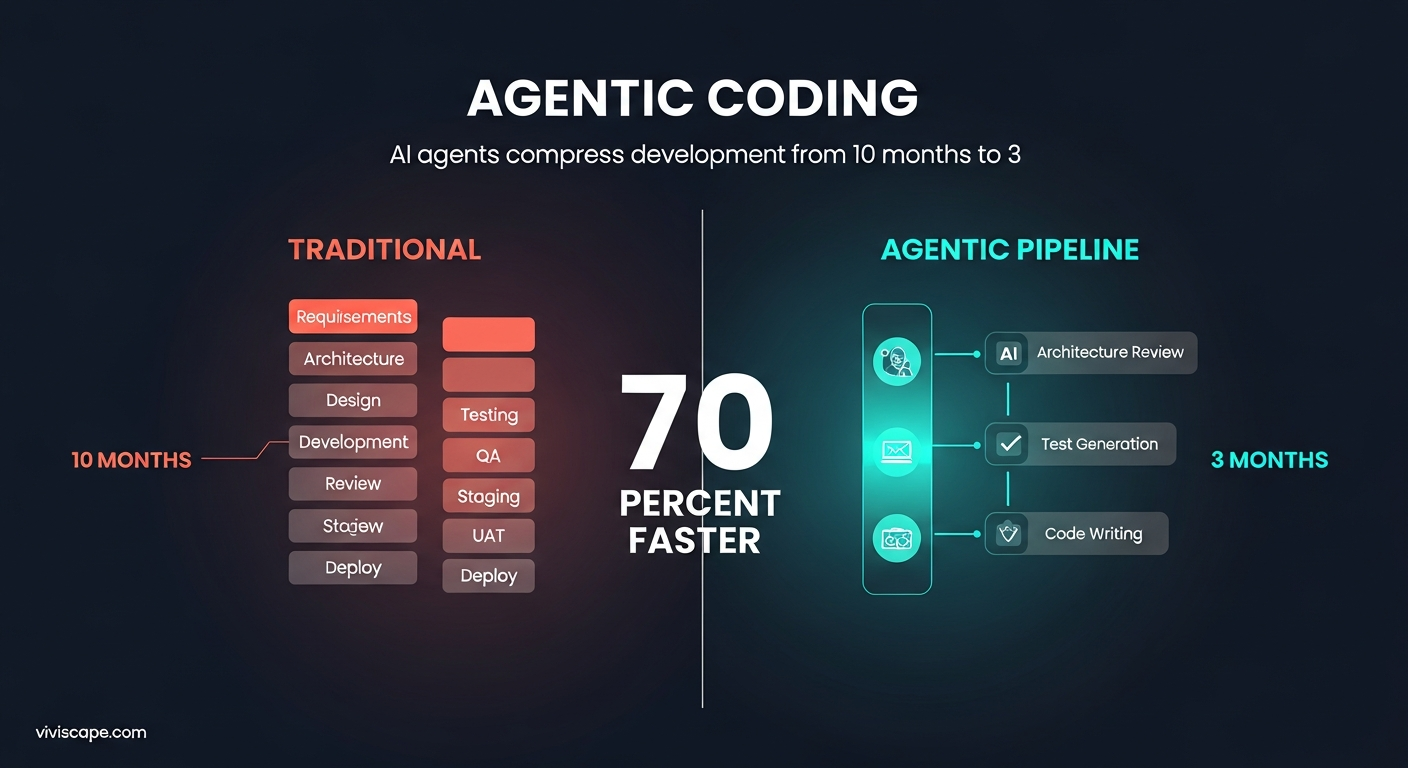
46% of all new code is now AI-generated. Projects using agentic coding tools deliver in 2–3 months vs. 6–10 months at 60–70% lower cost. Here is what changed between 2024 and 2026 — and what it means for enterprise software buyers.
Read Article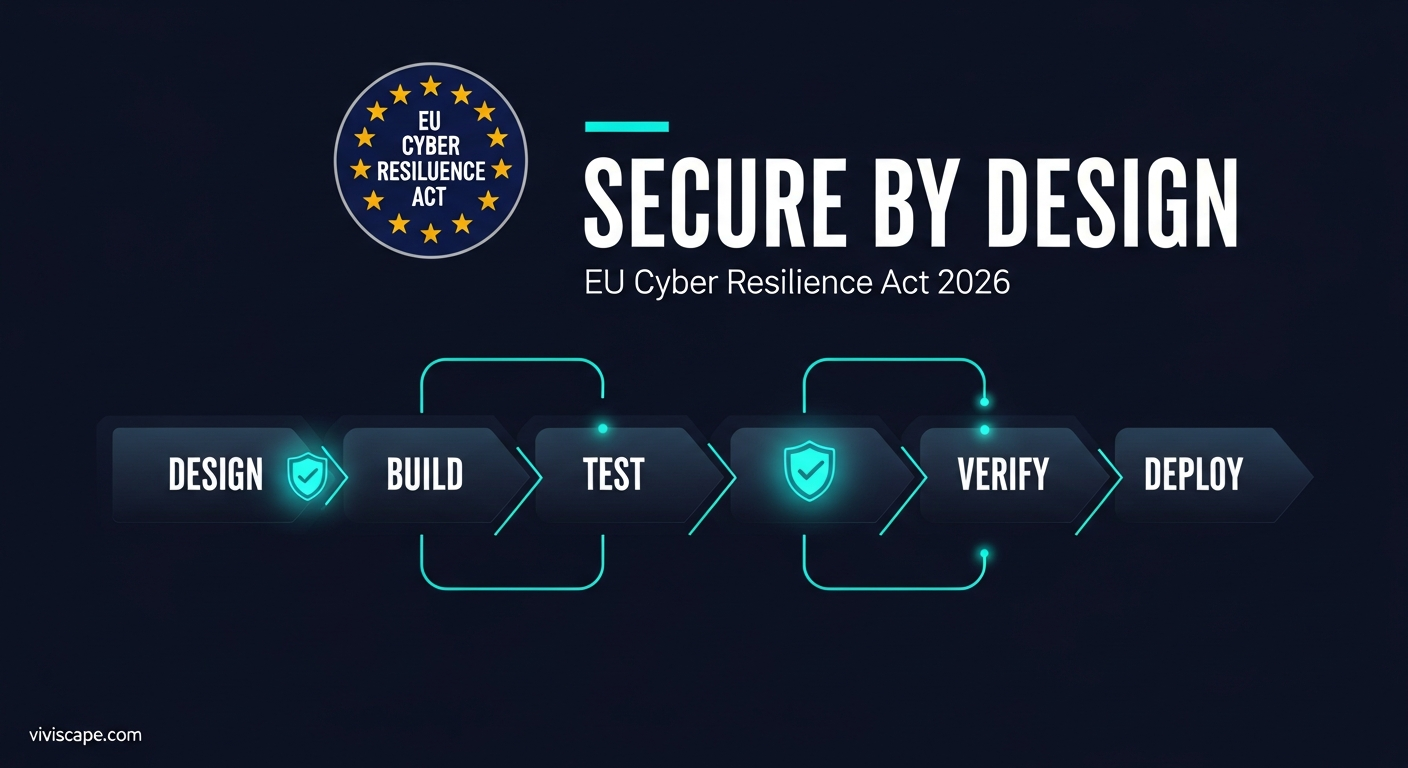
September 11, 2026: the EU CRA’s first enforcement milestone hits in 9 weeks. Vulnerability reporting obligations apply to every digital product sold in the EU. Penalties reach €15M or 2.5% of revenue. Here is what it means for enterprise software buyers.
Read Article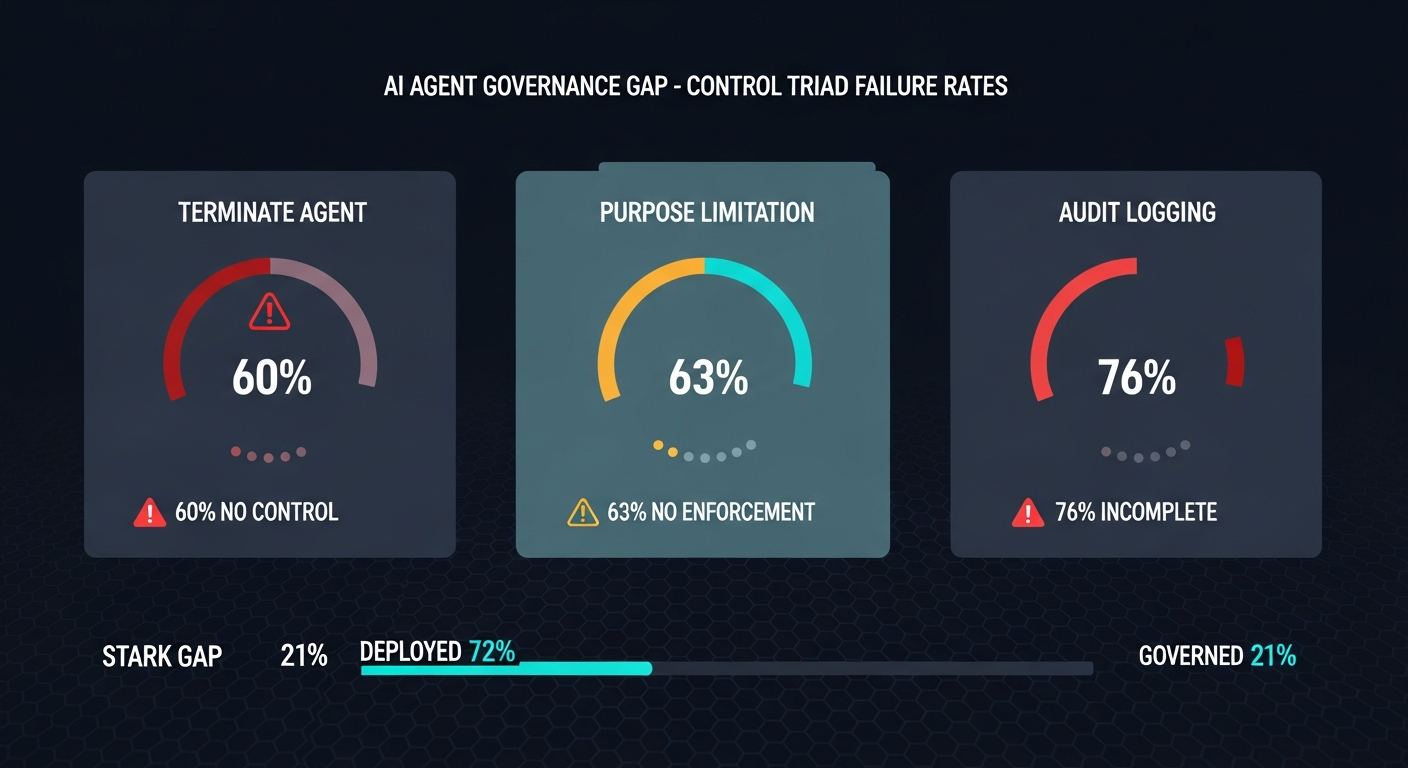
72% of enterprises have AI agents in production. Only 21% have a mature governance model. 60% cannot terminate a misbehaving agent. Here is the control gap most enterprises don’t know they have — and the 4-step framework to close it before August.
Read Article
35% of enterprises have already replaced SaaS with custom builds. 78% plan to build more this year. AI cut delivery time 2–3x. Here is the decision framework and the cost analysis your team needs.
Read Article
40+ states have active AI legislation. The EU AI Act’s transparency deadline is August 2. Texas is already enforcing. 77% of SMBs have no AI policy. Here is the full compliance map and the 3 decisions your team must make before August.
Read Article
97% of enterprises have deployed AI agents. Only 11% run them in production. The 88% failure rate isn't a model problem — it's an integration, governance, and organizational problem that most pilot frameworks aren't designed to surface.
Read Article
The average enterprise runs 14+ AI tools — each requiring integrations, maintenance, training, and context-switching overhead. The hidden integration tax is costing organizations $1.26M to $5.04M before the first line of value is captured.
Read Article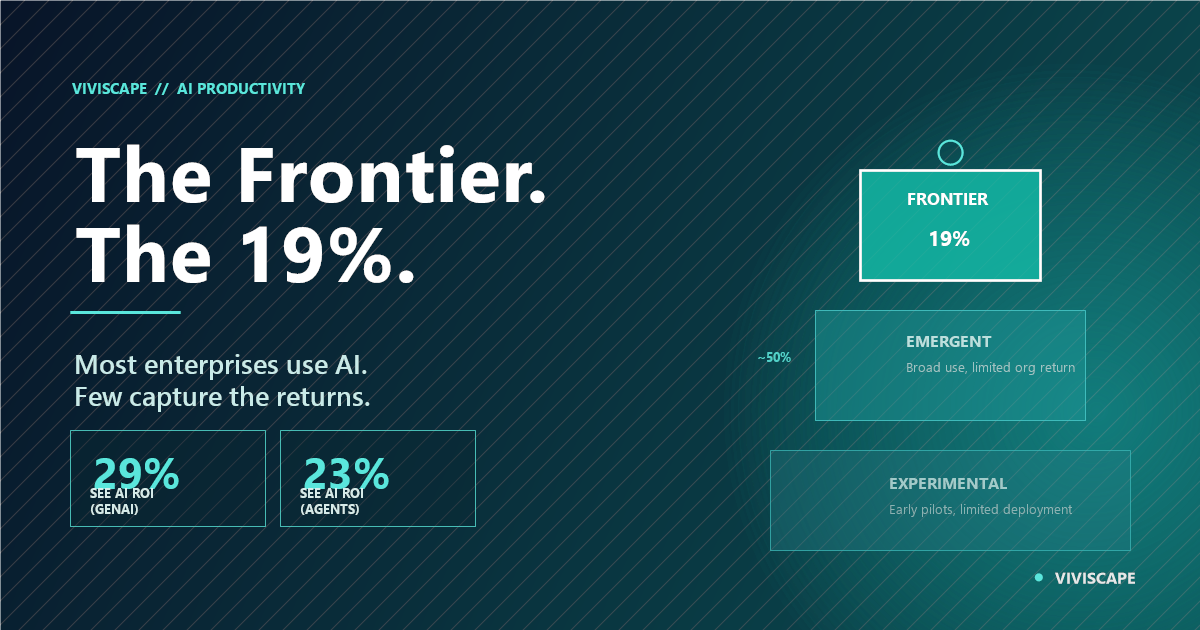
Only 19% of enterprises are in the AI frontier zone seeing real productivity gains. The remaining 81% are stuck in emergent or experimental stages. The structural factors that separate breakthrough organizations from the rest.
Read Article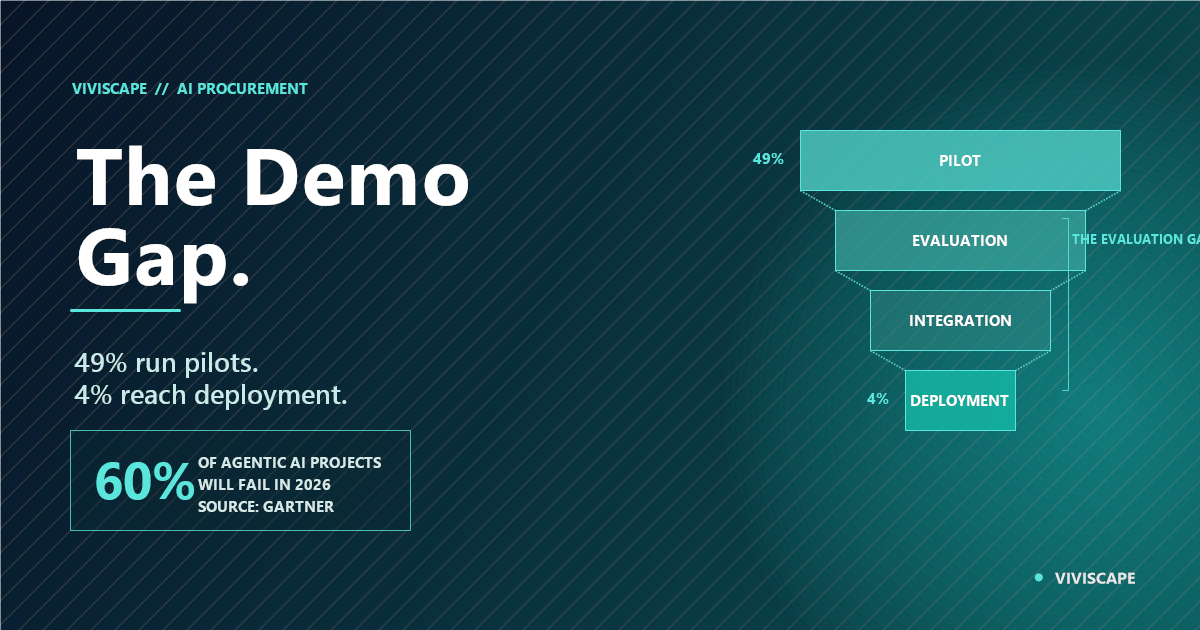
49% of enterprise teams run AI pilots. Only 4% reach meaningful deployment. The procurement evaluation gap that explains why enterprise AI buying decisions fail — and what outcome-driven buying actually looks like.
Read Article
Only 2% of companies have the CFO accountable for AI ROI — but those companies capture dramatically more value. The structural gap that explains why most enterprise AI investments underperform.
Read Article
95% of enterprise AI pilots stall due to data and integration problems — not model quality. Only 15% of companies believe their data is actually ready for agentic AI. Here is what the gap looks like and why it keeps growing.
Read Article
Enterprise AI hallucinations cost businesses $67 billion globally in 2024 — and most companies are not measuring it. The average AI user spends 4.3 hours per week verifying outputs. That is $14,200 per employee per year erasing the efficiency gains you projected.
Read Article
54% of C-suite executives say AI is tearing their company apart. 31% of employees admit to sabotaging AI rollouts. The internal conflict destroying enterprise AI strategies is not a technology problem — it is an organizational one.
Read Article
A small cohort of AI power users is delivering 6X productivity gains while the rest of the organization falls behind. The gap is widening — and it is not a training problem.
Read Article
The era of plugging a general-purpose LLM into enterprise workflows and calling it AI strategy is ending. By 2027, more than half of enterprise AI will run on domain-specific models that deliver better accuracy, lower cost, and stronger compliance.
Read Article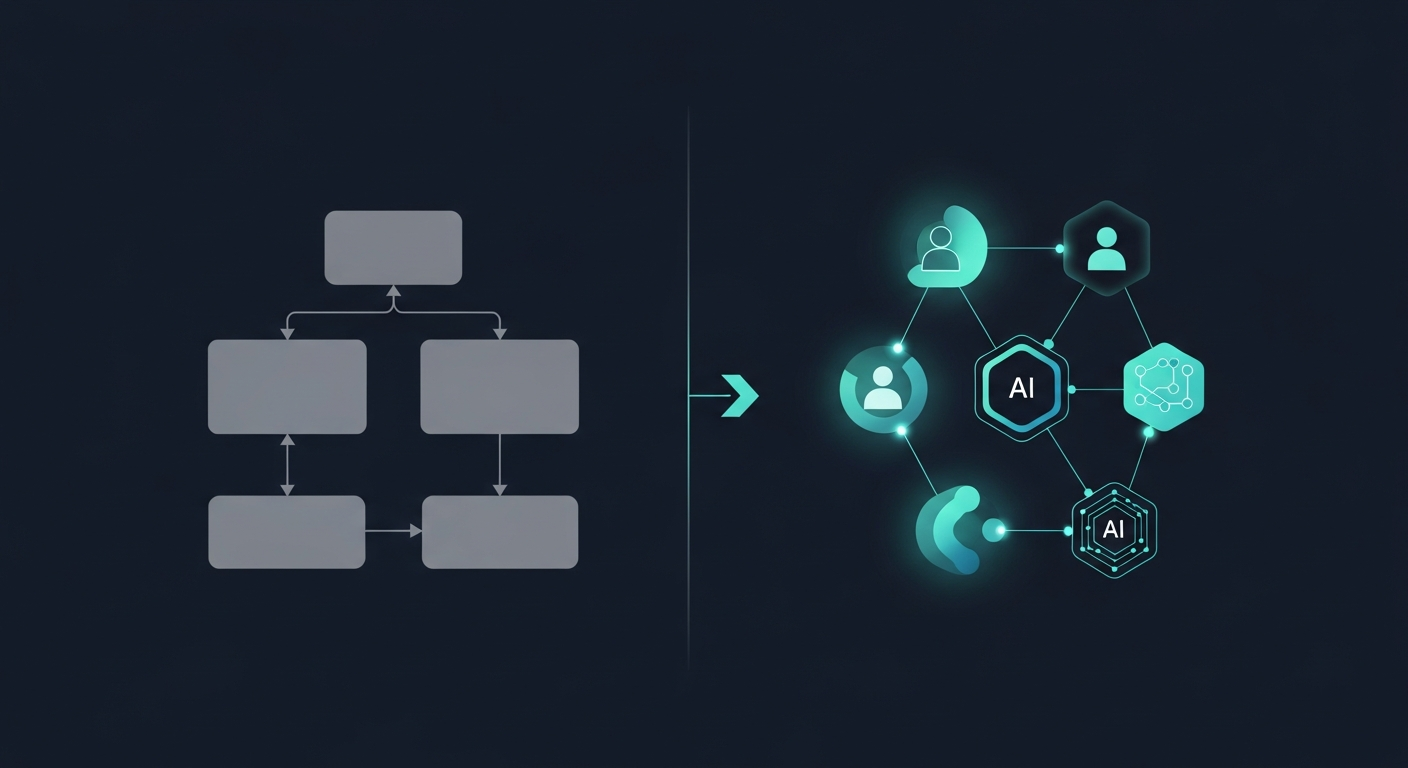
Nearly half of organizations introduced AI without redesigning workflows or roles. Organizations that redesigned first see 2x better returns. Here is what that gap costs and how to close it.
Read Article
How enterprises organize their AI teams is one of the strongest predictors of whether they achieve value from AI investments. Here are the three dominant operating models and what the data says about each.
Read Article
The AI model market has 50+ capable LLMs. Most enterprise evaluation processes are broken — optimizing for benchmarks that do not predict production performance while ignoring the real costs of model switching.
Read Article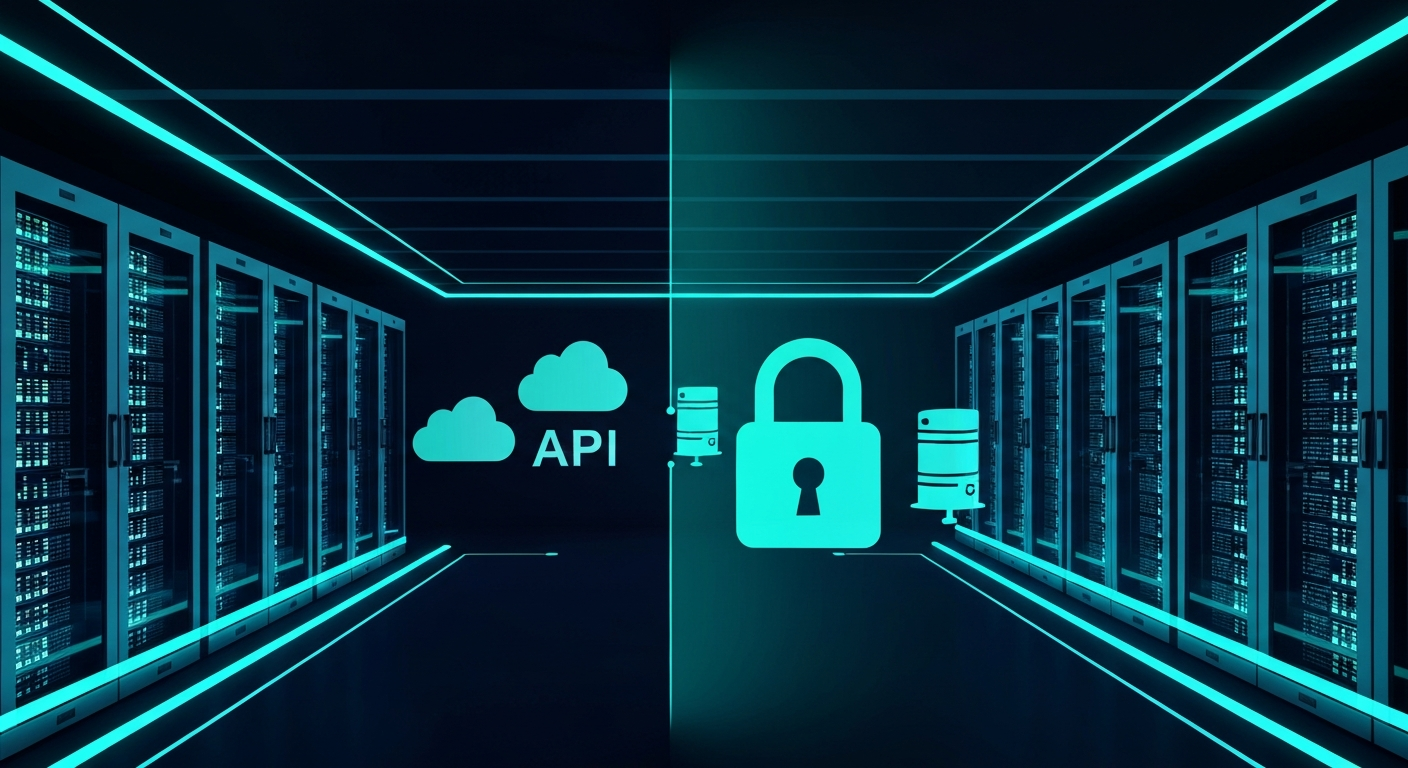
Open-source models now score within 3-5% of GPT-4 on major benchmarks. Over half the LLM market now runs on-premises. Here is the business case for self-hosted AI and the decision framework for knowing when it is the right call.
Read Article
In 2025, 26% of enterprises had a Chief AI Officer. Today that number is 76%. That is not gradual adoption — it is an organizational reflex. Here is what separates the title from a functioning AI operating model.
Read Article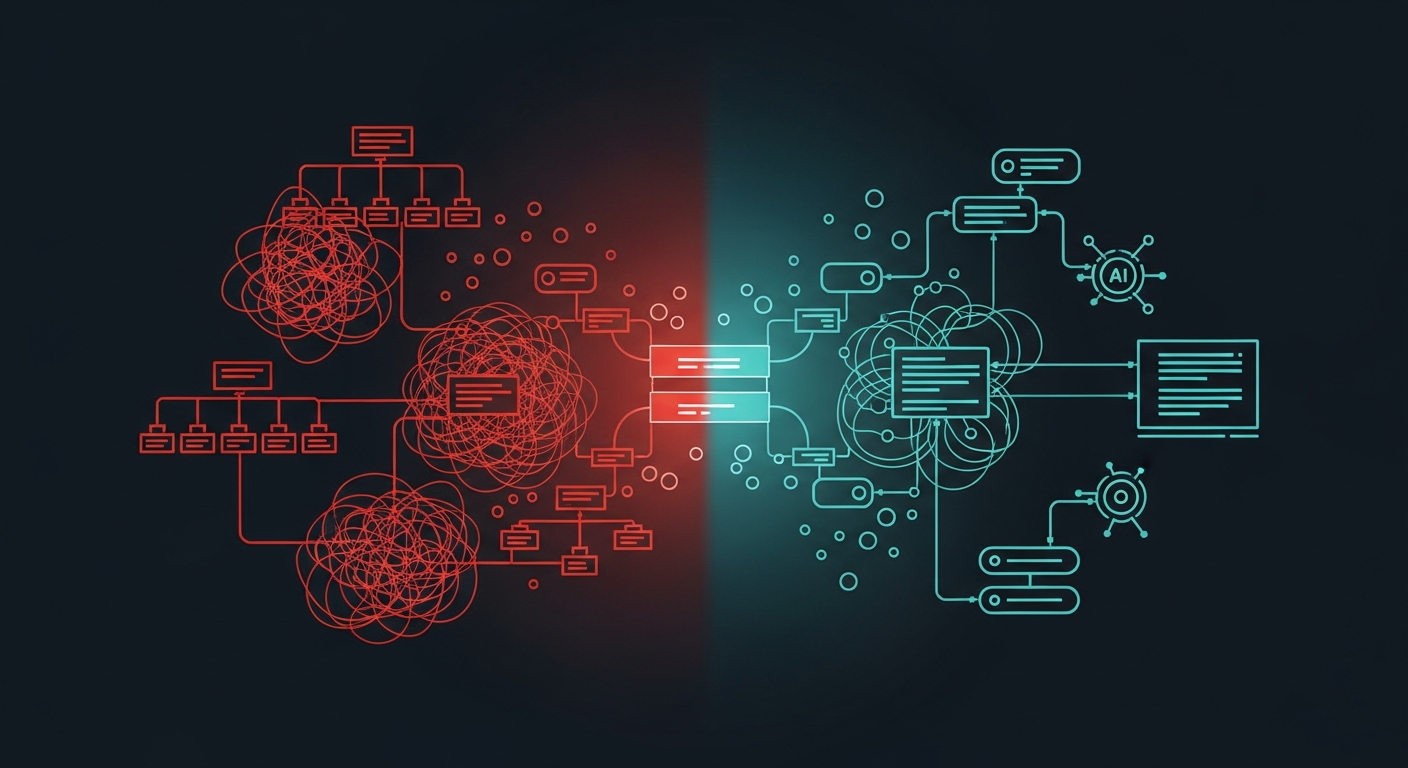
97% of executives say AI benefits their organization. Only 29% see significant ROI. 54% say AI adoption is tearing their company apart. Here is what is actually going wrong.
Read Article
Only 23% of enterprises have a formal agent identity strategy. The other 77% are running agents on borrowed credentials with no session scoping, no action-level logging, and enormous blast radius when something goes wrong.
Read Article
Electricity, cloud computing, the internet — each became infrastructure by becoming invisible. AI is on the same trajectory. Here is what enterprise strategy looks like when AI stops being a project and becomes the fabric of how work gets done.
Read Article
On June 1, GitHub Copilot switched from flat-rate to token-based billing. Developers reported 10x–50x cost spikes overnight. This is the first major preview of how AI vendors will monetize every tool in your stack.
Read Article
When AI loses business context between sessions, it makes authoritative-sounding mistakes nobody notices until the damage is done. The five layers of enterprise context and the architecture that preserves them.
Read Article
Enterprise AI pilots succeed at small scale and break at production scale. The failure follows predictable patterns. Understanding the scaling paradox is the prerequisite to avoiding it.
Read Article
First movers accumulated platform debt, vendor lock-in, and organizational scar tissue. Late adopters in 2026 inherit mature infrastructure, proven patterns, and dramatically lower costs. The window is real — and limited.
Read Article
Most deployments treat escalation as a failure state. The ones that work treat it as a feature. Confidence calibration, novelty detection, and graceful handoff protocols that make autonomous AI reliable at scale.
Read Article
By 2027, 47% of IoT applications will be AI-infused and 23 billion devices will be connected. Here is what the AIoT convergence means for businesses that are not yet prepared.
Read Article
Small language models cost 10–30× less to run than GPT-4-scale AI, and for most enterprise tasks they outperform generic large models. Here’s how the hybrid SLM/LLM router architecture is reshaping enterprise AI costs in 2026.
Read Article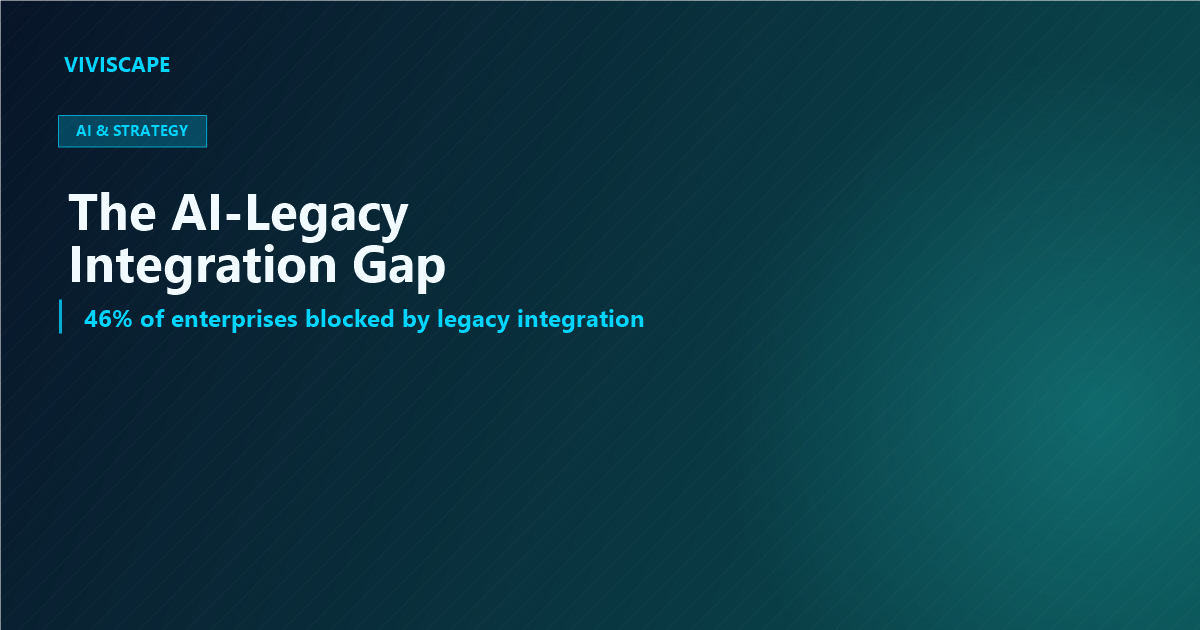
46% of enterprises cite legacy system integration as the #1 AI deployment blocker. The problem isn’t the AI — it’s the infrastructure around it. Here’s what integration-first AI actually looks like.
Read Article
Your AI agent has 99.9% uptime. It is also quietly degrading — returning confident wrong answers, losing calibration, and failing tasks in ways no alert is catching. Here is what enterprise AI reliability actually requires.
Read Article
Every department has discovered AI prompts that work. Almost none are versioned, tested, or documented. When prompts encode business logic but aren't governed, prompt debt accumulates — and walks out the door when employees leave.
Read Article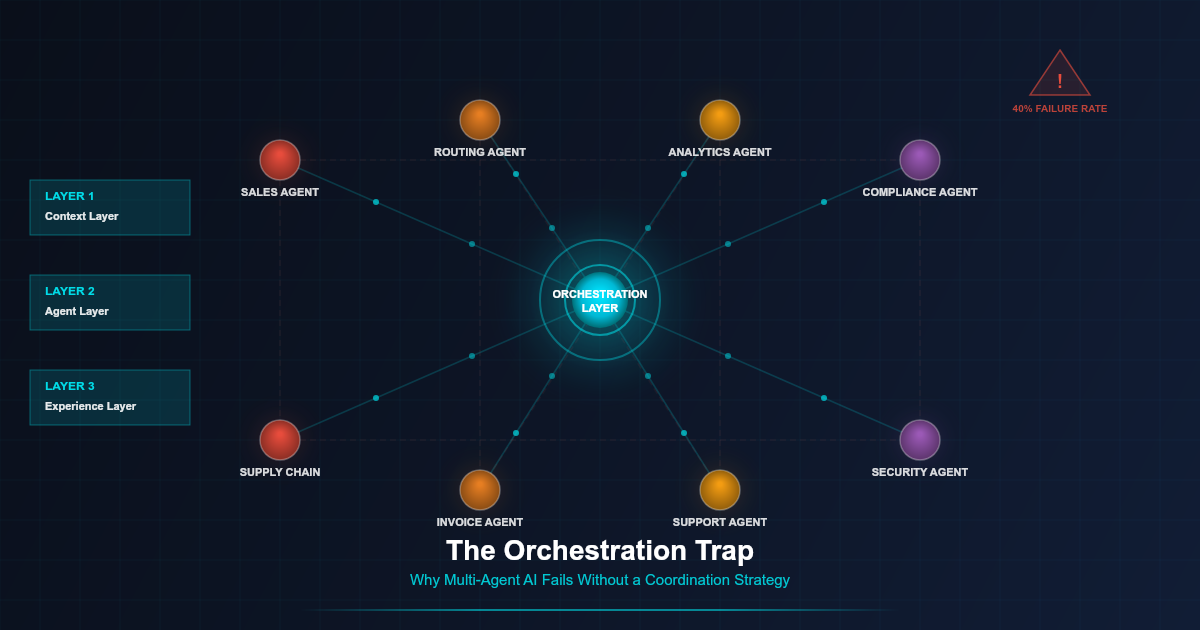
Fully autonomous AI sounds great until an agent approves a $50,000 order without asking. Here is how enterprises are designing agentic workflows with the right human checkpoints — before the costly mistakes happen.
Read Article
The most advanced enterprises are not deploying AI on top of existing structures — they are redesigning teams, roles, and decision flows around AI capabilities. Here is what that looks like in practice.
Read Article
Every enterprise AI interaction starts from zero. The lack of persistent memory across sessions is one of the biggest hidden productivity drains in enterprise AI — and most organizations have not built the architecture to fix it.
Read Article
ServiceNow, Google Cloud, and Salesforce have each announced AI systems that run entire business functions end-to-end. This is no longer a future prediction — it is a procurement and governance decision executives face right now.
Read Article
Prompt engineering is being eclipsed by a more fundamental discipline. The enterprises that win at AI in 2026 will not have better models — they will have better context pipelines.
Read Article
Fine-tuning is seductive but usually wrong. Before spending on custom model training, most enterprises have not exhausted prompting, RAG, and context window optimization — which outperform fine-tuning at a fraction of the cost.
Read Article
Most enterprise AI underperforms not because the model is wrong but because the organizational knowledge it needs is inaccessible. The gap between what your enterprise knows and what your AI can reach is the most underappreciated constraint on AI performance.
Read Article
The EU AI Act is in full enforcement. SEC AI disclosure requirements are live. Enterprises that built AI without compliance in mind face a reckoning — and the window to catch up is closing.
Read Article
Enterprise AI systems are live and usage metrics look strong. But the measurement frameworks inherited from traditional software fail for AI — and most organizations are flying blind on whether their AI actually delivers value.
Read Article
Enterprise AI projects systematically slip for reasons that are predictable and preventable. Here is the realistic framework for AI project timelines that most organizations are still missing.
Read Article
Most enterprise AI programs fail not from lack of AI talent, but from the wrong organizational structure, broken data pipelines, and governance gaps that no engineer can fix alone.
Read Article
Most enterprise data strategies were built for analytics. AI requires something fundamentally different — and organizations that treat AI as just another analytics workload are discovering this the hard way.
Read Article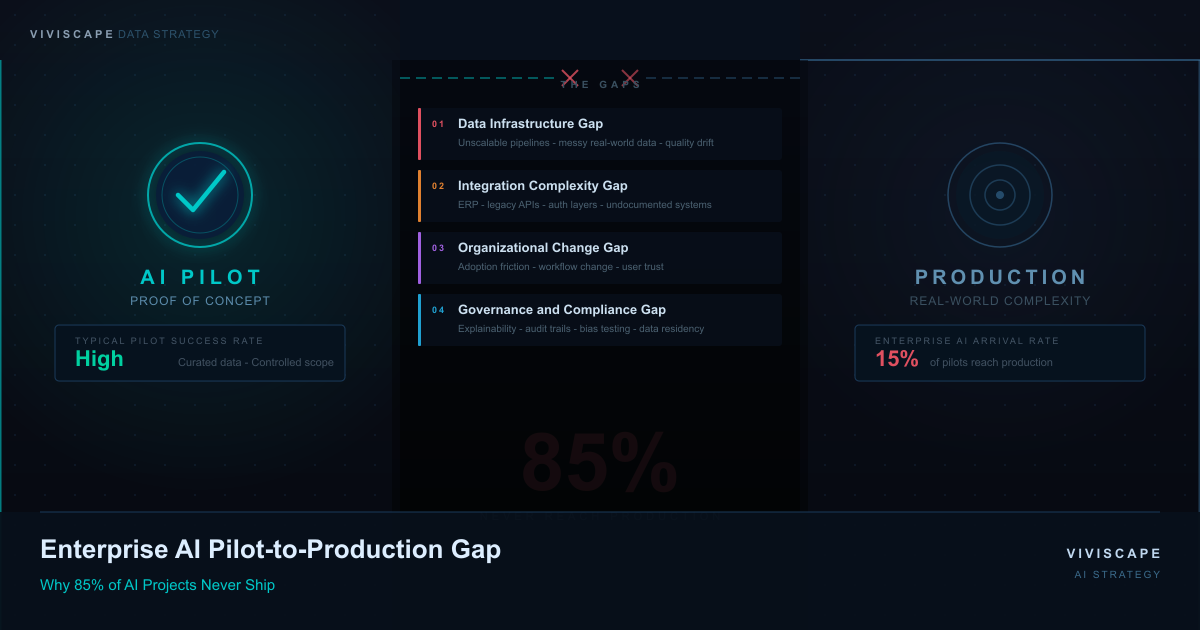
Between 80–87% of enterprise AI pilots never reach production. The problem is not the model — it is the four hidden gaps in data infrastructure, integration, organizational change, and governance that pilots never expose.
Read Article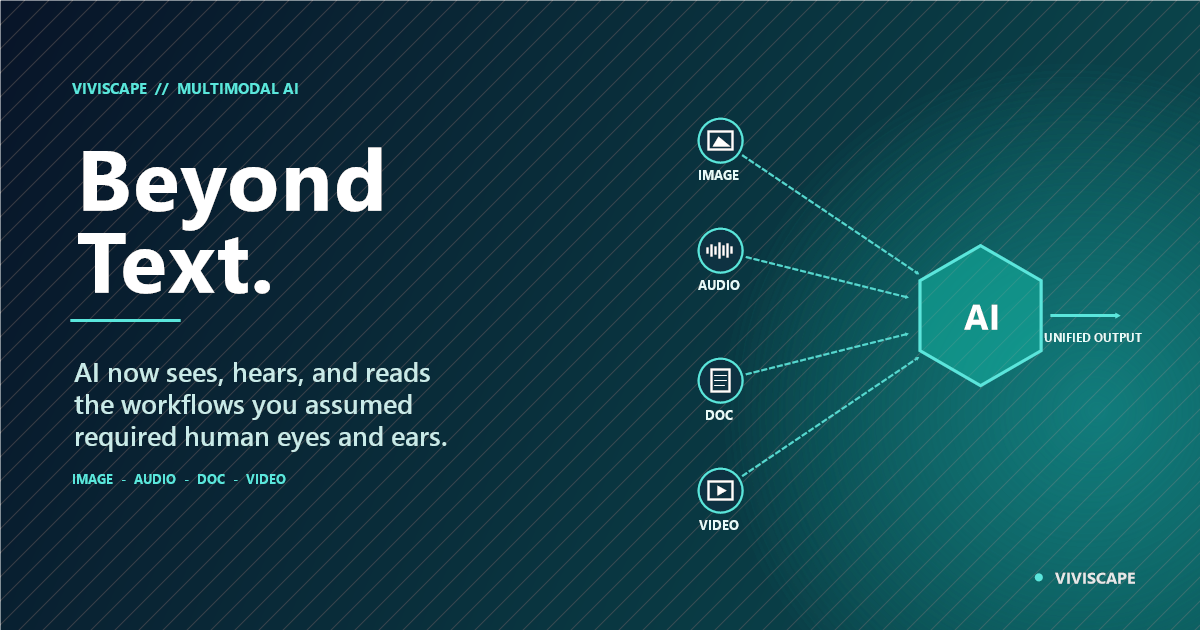
Enterprise AI has been built on text. But most enterprise value sits in formats AI couldn't touch until now — inspection photos, meeting recordings, and engineering drawings. Multimodal AI changes the economics of workflows that assumed they required human eyes and ears.
Read Article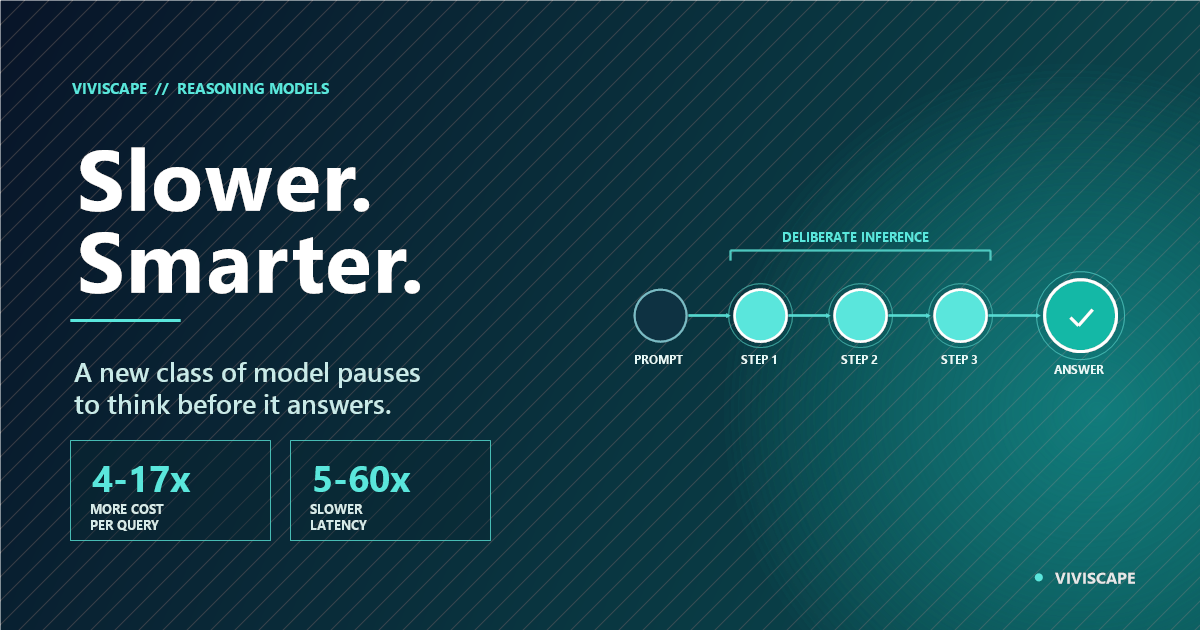
A new class of AI model pauses to think before answering. These reasoning models cost 4–17x more and respond 5–60x slower than standard inference. The enterprise question is not whether they are better — it is when the cost is justified.
Read Article
APIs, MCPs, and CLIs are not interchangeable — they are three different kinds of connectivity, each one solving a different problem. A leadership-grade explainer with infographics for operators, CEOs, and founders trying to decide which one fits where.
Read Article
Vibe Coding and AI-generated app platforms are powerful accelerators — not replacements for architecture, governance, and engineering wisdom. A balanced, executive-level perspective on where these tools fit in the enterprise, and where they fail.
Read Article
What works at small scale quietly breaks at enterprise scale — not because the tools are bad, but because the thinking behind them is different. A leadership-grade breakdown of the architectural line between task-level automation and system orchestration.
Read Article
The Manual Work Tax is a real cost category that compounds with growth, inflates headcount, delays decisions, and erodes margin. It is not a people problem. It is a system design failure — and the gap between system-driven and manually-coordinated operations is widening every quarter.
Read Article
Agentic AI is shifting enterprise work from tool optimization to system orchestration. Five shifts redefining 2026 — from Gartner's 40% agent-embedded app projection to the 1% implementation gap that decides who wins.
Read Article
Every business pays an invisible tax in wasted hours, preventable errors, and headcount creep every time a process runs on humans instead of software. Here's where it hides, how to measure it, and how to engineer it out.
Read Article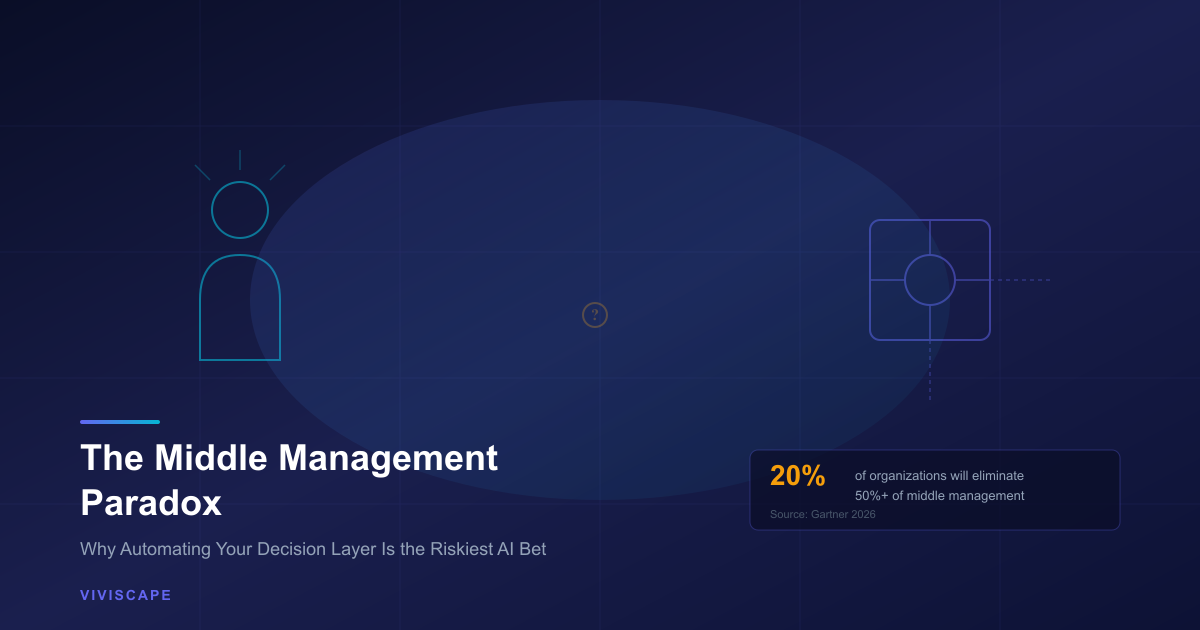
Gartner predicts 20% of organizations will use AI to eliminate over half their middle management roles. But middle managers are the enterprise's ethical and judgment layer — automating them is an organizational gamble.
Read Article
Automation without human judgment is just faster chaos. Learn why the best-performing organizations treat automation as a force multiplier for people — not a substitute.
Read Article
Only 20% of S&P 500 boards disclose AI-expert directors — yet fiduciary duty now extends to AI oversight. Boards face Caremark-style derivative claims for governance lapses.
Read Article
89% of enterprises use multi-cloud to prevent vendor lock-in, yet agentic AI is creating deeper dependencies than cloud ever did. API lock-in, agent framework capture, and data gravity are compounding switching costs.
Read Article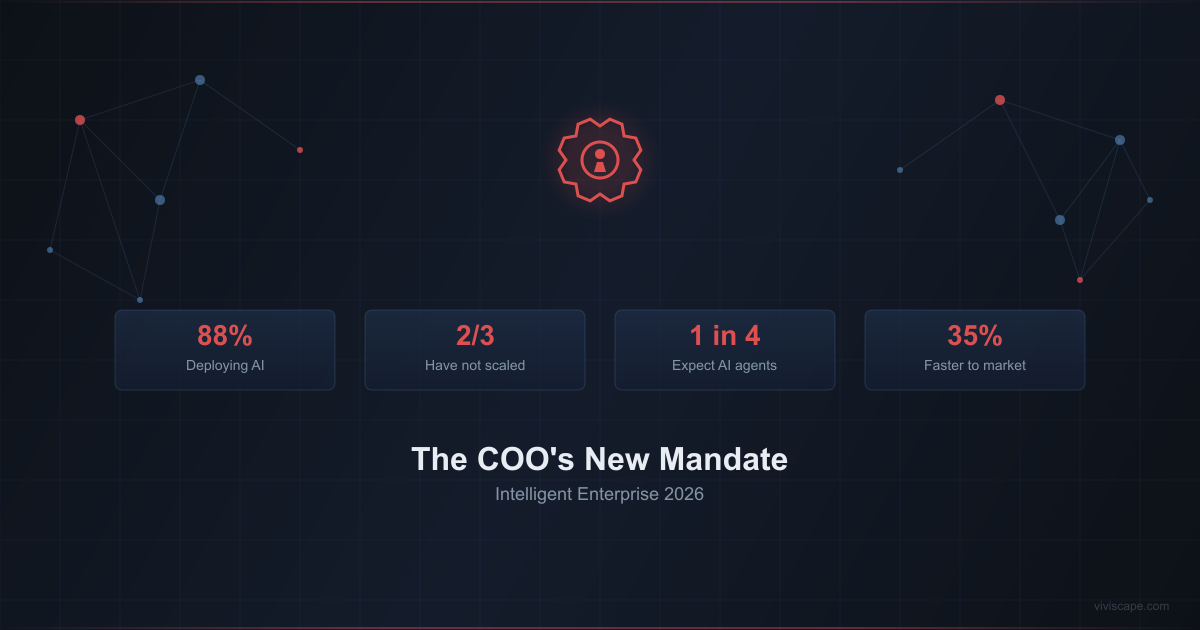
88% of organizations deploy AI but two-thirds have not scaled it. The gap is operations, not technology — and the COO is becoming the most important AI executive in the enterprise.
Read Article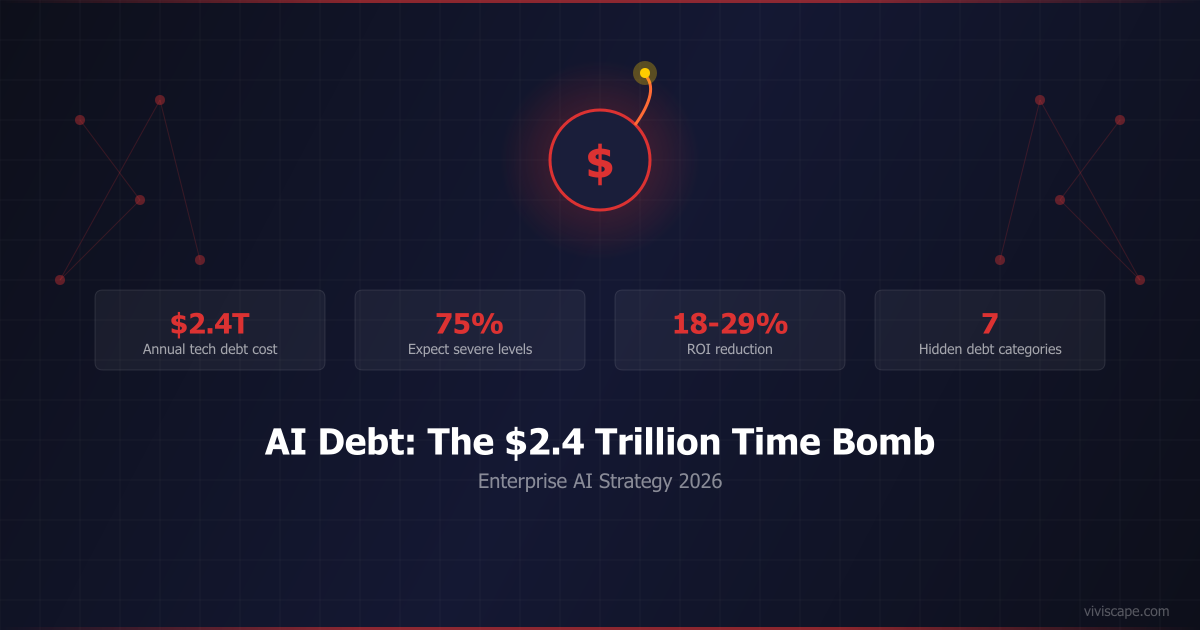
75% of enterprises expect technical debt to hit severe levels in 2026. AI creates 7 hidden categories of infrastructure debt that accumulate faster and cost more than traditional tech debt.
Read Article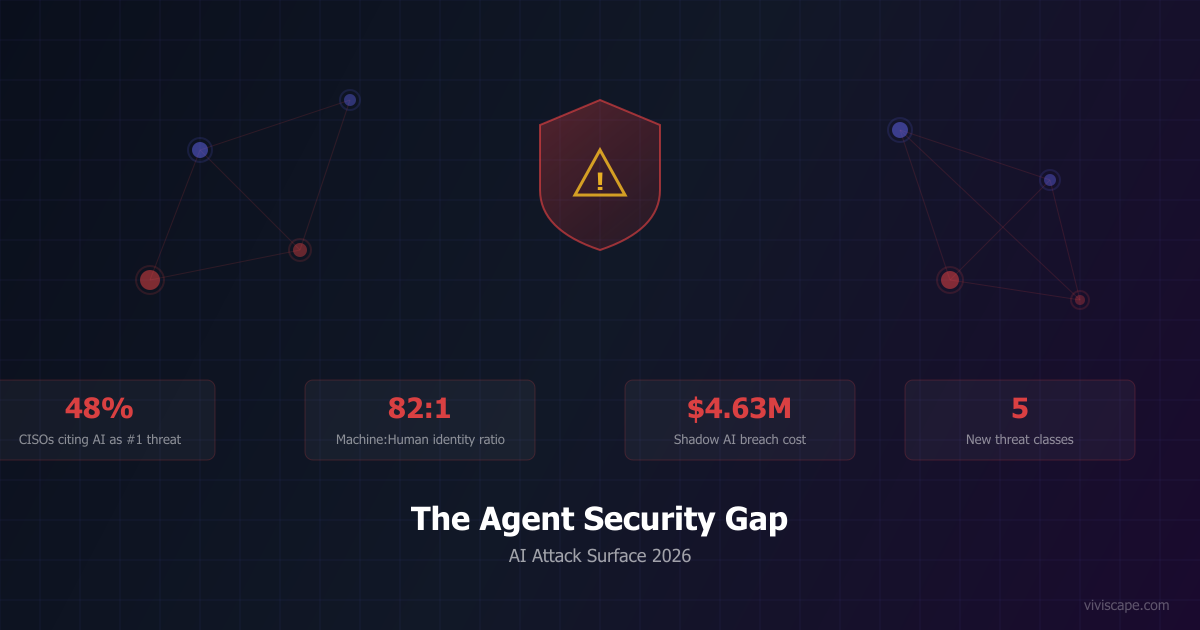
48% of CISOs say agentic AI is their most dangerous attack vector. Machine identities outnumber humans 82:1. Shadow AI breaches cost $4.63M. Here is the security framework enterprises need.
Read Article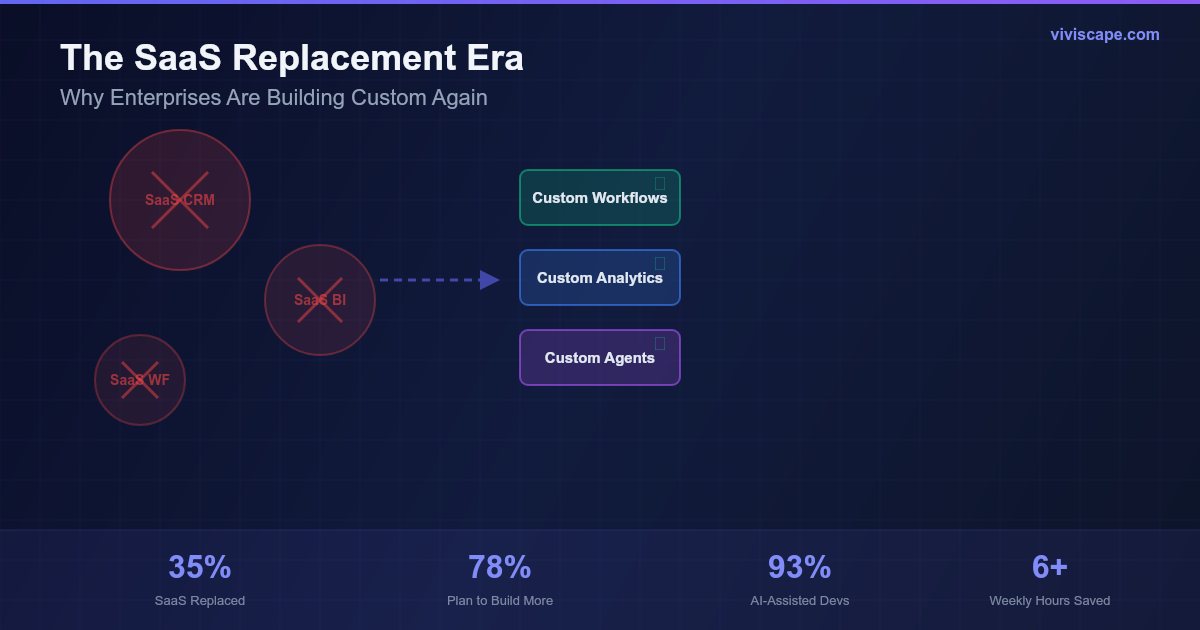
35% of enterprises have already replaced SaaS tools with custom-built software. 78% plan to build more in 2026. AI-assisted development has changed the build vs buy equation.
Read Article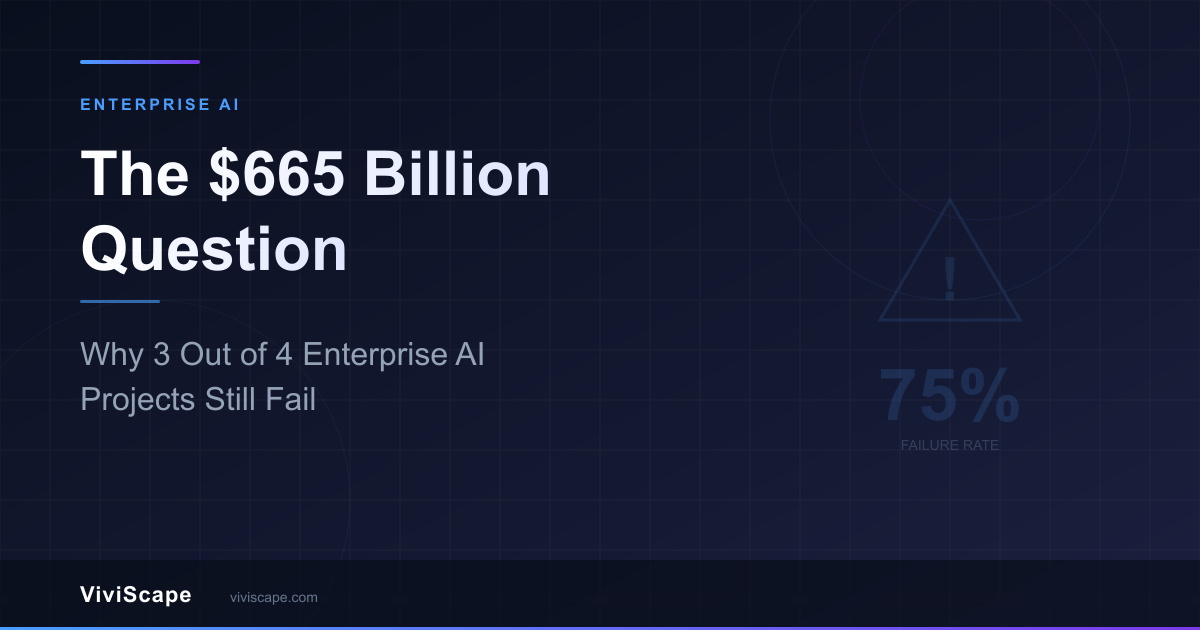
Enterprise AI spending will reach $665 billion in 2026. But 73% of deployments fail to deliver ROI — and the root cause is not technical. 77% of AI project failures are organizational.
Read Article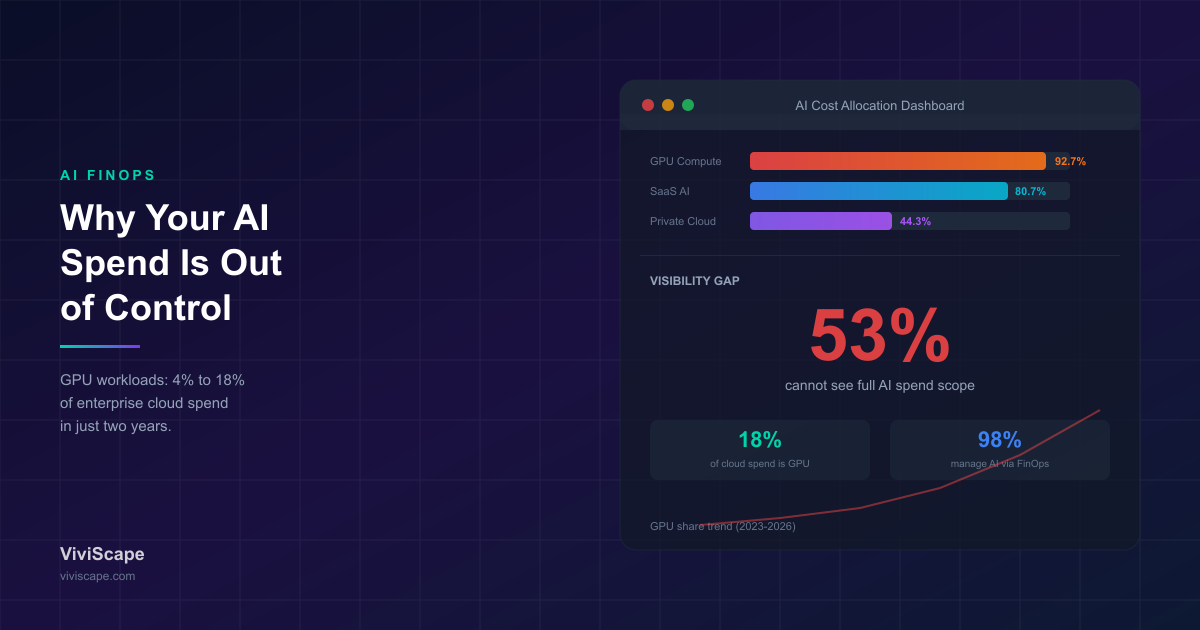
GPU workloads now account for 18% of enterprise cloud spend — up from 4% in 2023. 98% of organizations manage AI costs through FinOps, but 53% still cannot see the full scope of what they are spending.
Read Article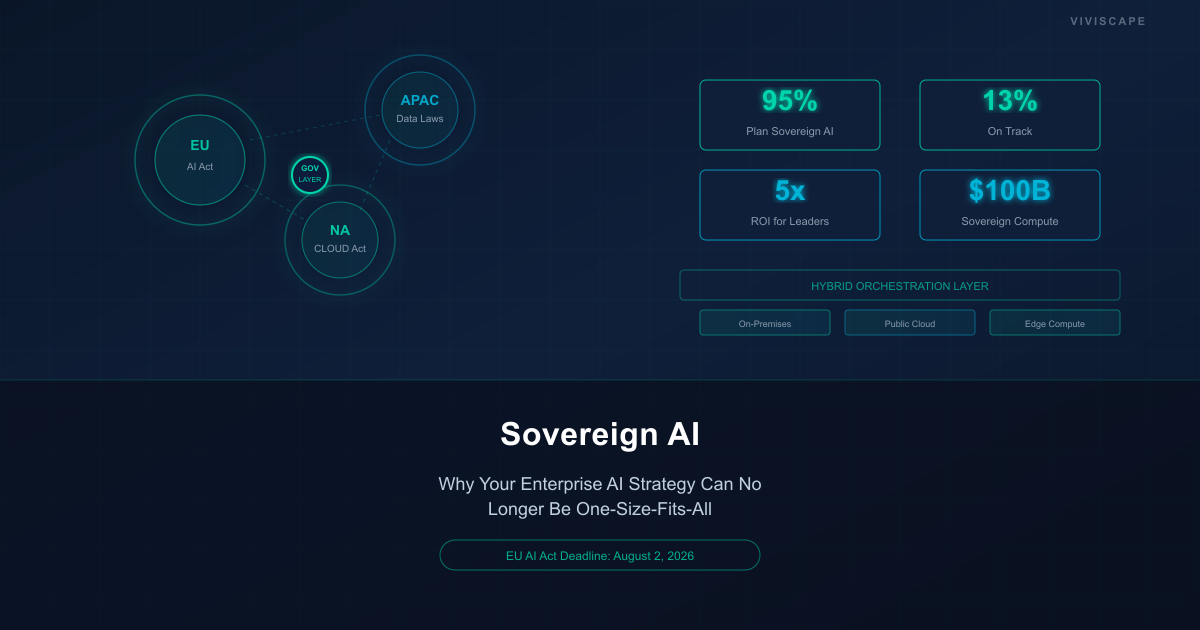
95% of enterprise leaders plan to build their own AI platform. Only 13% are on track. With the EU AI Act taking effect in August 2026, the era of one-cloud-fits-all AI strategy is over.
Read Article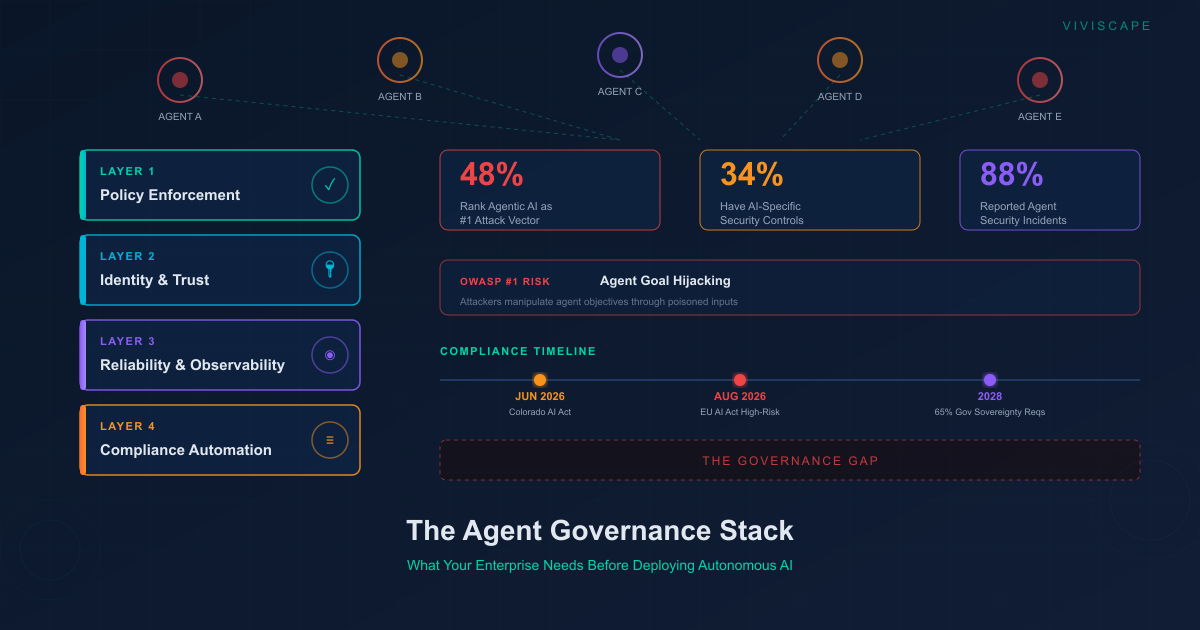
48% of cybersecurity professionals rank agentic AI as the top attack vector of 2026, but only 34% of enterprises have AI-specific security controls. Here is what the governance stack for autonomous agents actually looks like.
Read Article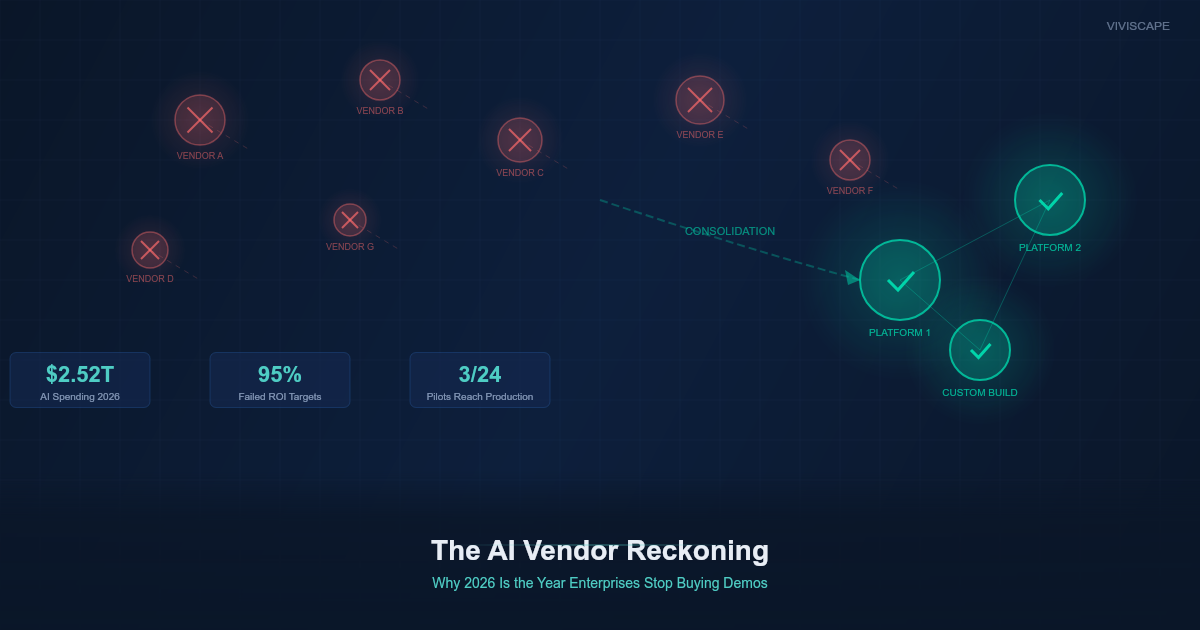
Worldwide AI spending will hit $2.52 trillion in 2026. But enterprises are consolidating around fewer vendors and demanding measurable outcomes. The era of buying demos is over.
Read Article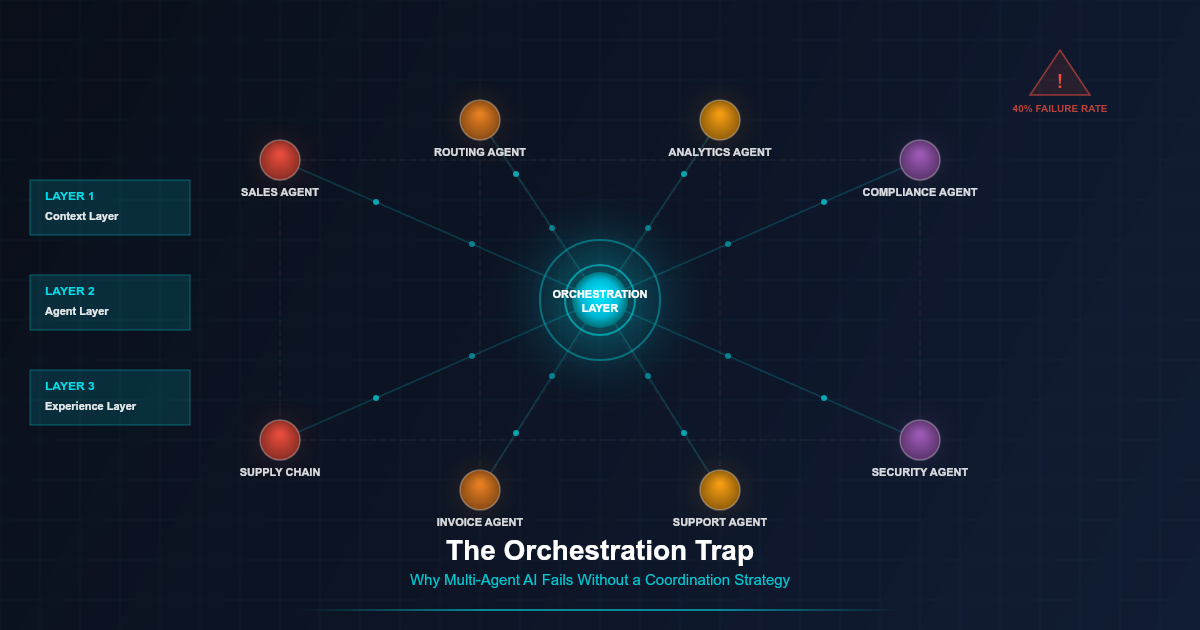
Inquiries about multi-agent AI systems surged 1,445% in one year. But 40% of agent projects will fail by 2027. The difference between success and failure is not the agents — it is the orchestration layer.
Read Article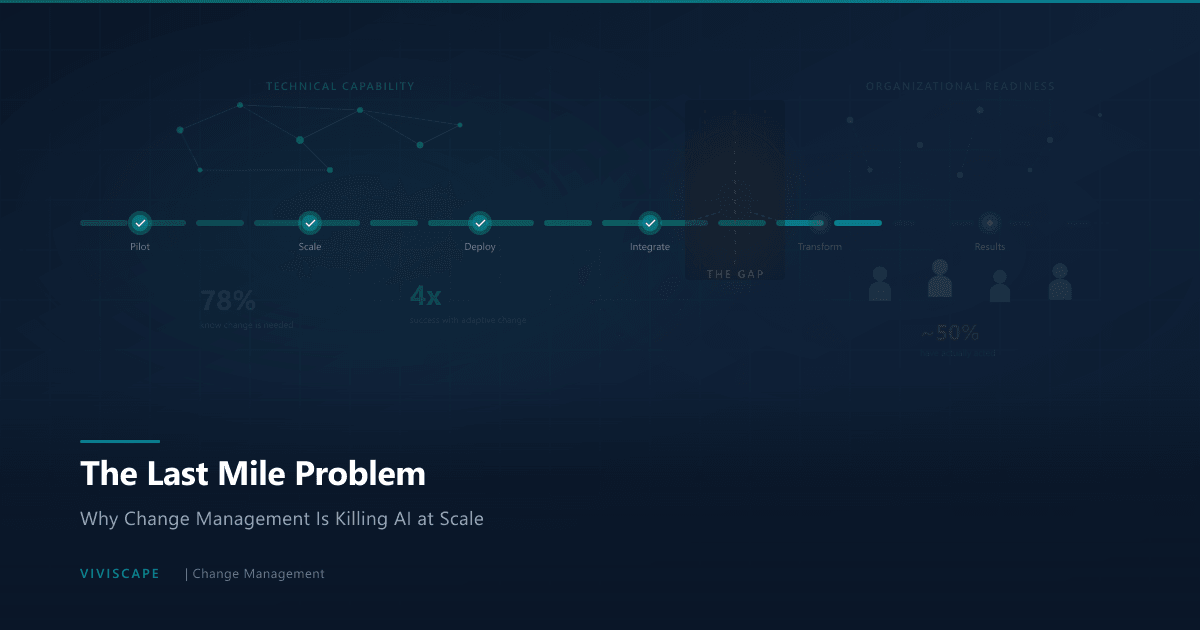
78% of CHROs say workflows must change for AI, yet only half have actually redesigned roles. The gap between technical capability and organizational readiness is where AI transformations die.
Read Article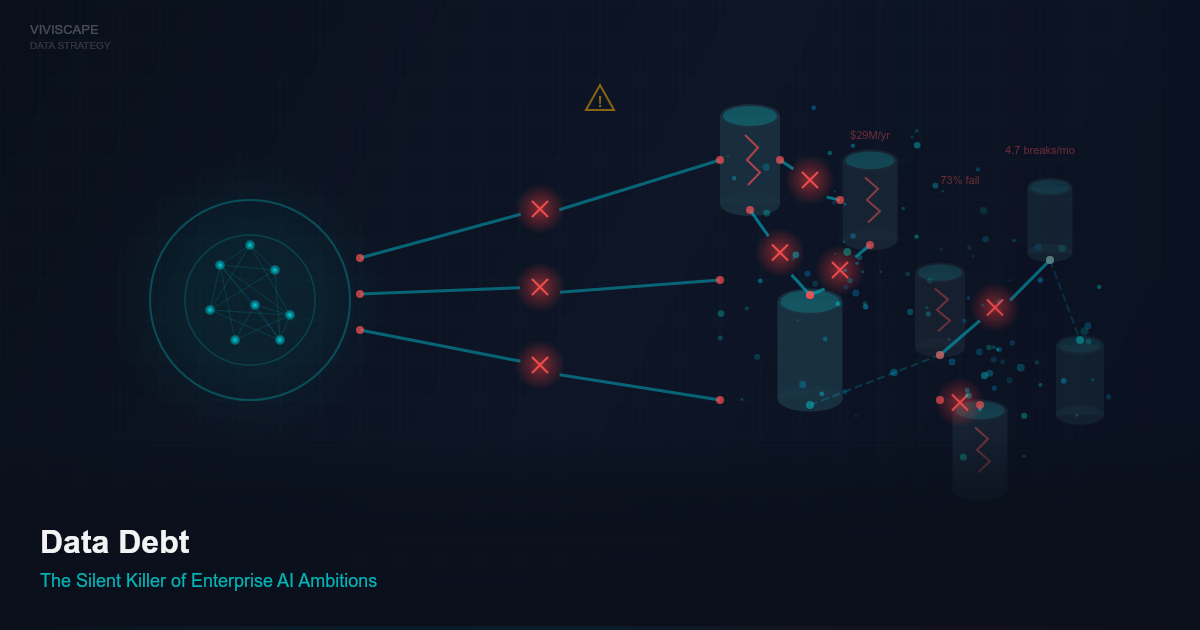
Enterprises spend $29M/year on data programs yet most cannot scale AI because their data infrastructure was never built for it. The hidden cost is stale, siloed, and broken pipelines.
Read Article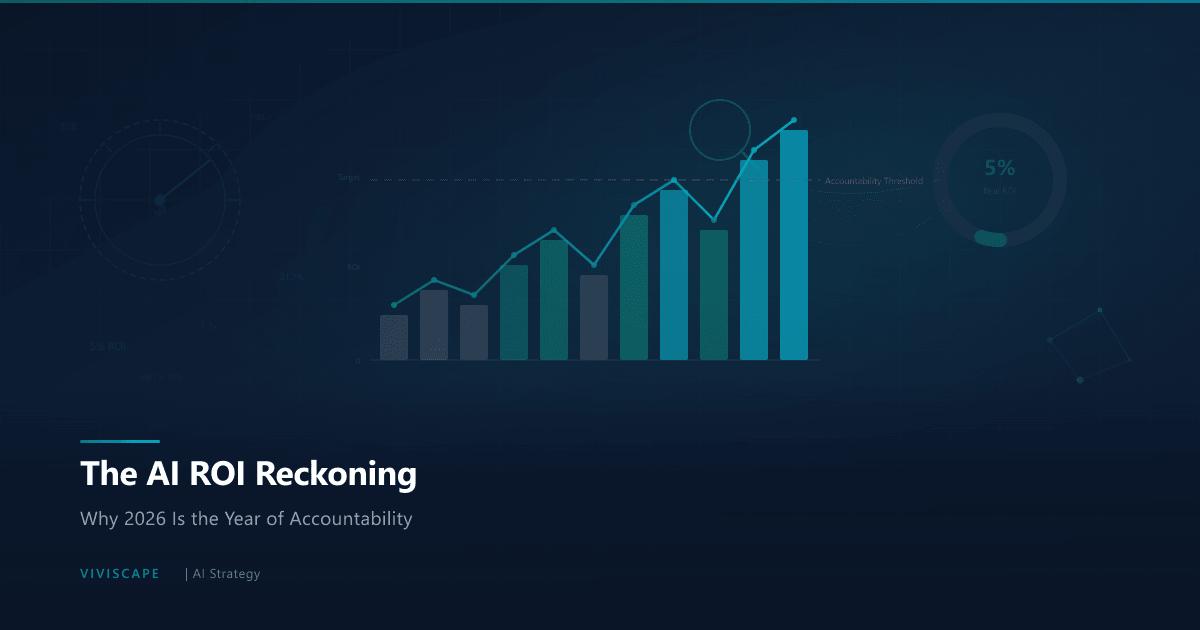
Only 5% of enterprises report real AI returns. Boards are done with productivity proxies — 2026 is the year AI investments face genuine financial accountability.
Read Article
88% of organizations have experienced AI agent security incidents, yet 82% of executives believe their policies are adequate. The gap between confidence and reality is where shadow agents thrive.
Read Article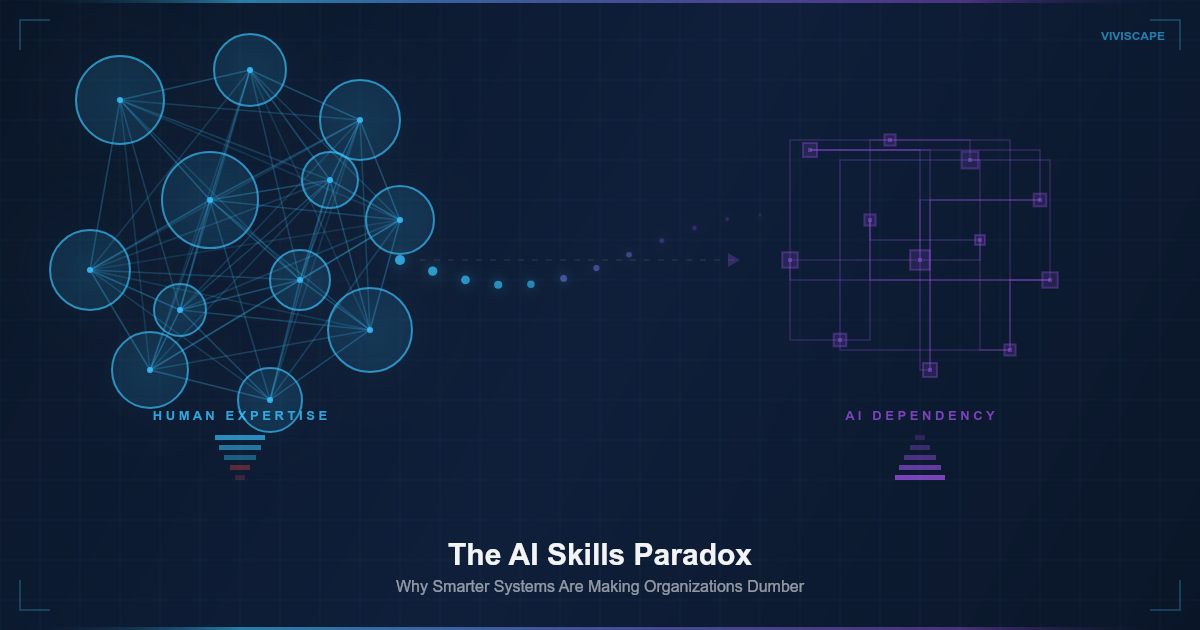
As enterprises scale AI, they risk eroding the human judgment, tacit knowledge, and critical thinking that differentiate them. The real threat is not job displacement — it is institutional skill atrophy.
Read Article
Most enterprises measure AI success by cost savings. The real metric is resilience — the ability to absorb disruption, adapt operations, and maintain continuity when conditions change.
Read Article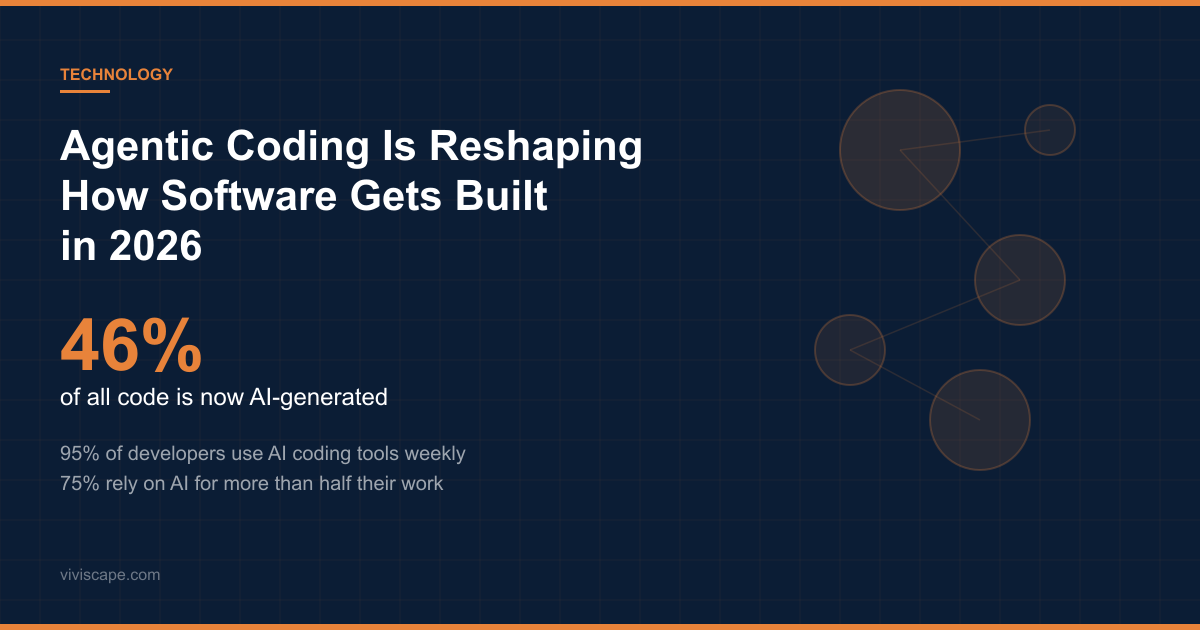
46% of all code is now AI-generated. 95% of professional developers use AI coding tools weekly. The shift from writing code to orchestrating AI agents is transforming what custom software teams can deliver.
Read Article
AI staffing agencies are emerging as a new service category — not consulting, not SaaS, not outsourcing. Here's why businesses are hiring AI agents the way they once hired temps and contractors.
Read Article
90% of large enterprises now treat hyperautomation as a top priority. Task-level automation is table stakes. Here is why end-to-end process automation is the new competitive baseline in 2026.
Read Article
The EU AI Act hits full enforcement in August 2026. Multiple U.S. states already enforce AI laws. Here is what business leaders need to do now to avoid penalties and build compliant AI systems.
Read Article
McKinsey now runs 25,000 AI agents alongside 40,000 humans. Multi-agent deployments surged 327% in four months. Here is what the AI workforce trend means for your business in 2026.
Read Article
72% of large enterprises have moved AI into production, but most mid-sized businesses are still stuck in pilot mode. Here's why — and how to break through.
Read Article
AI has evolved from simple chatbots to autonomous agents to collaborative multi-agent workforces. Here's what each era means for your business — and what's coming next.
Read Article
35% of enterprises have replaced SaaS with custom-built software and 78% plan to build more. Learn what's driving the build vs. buy shift and what it means for your business.
Read Article
2026 marks the shift from AI hype to pragmatism. Learn why practical, integrated AI solutions are outperforming flashy demos and how to build for real results.
Read Article
Most businesses use AI with no formal strategy, policy, or measurement framework. Learn why ad hoc AI adoption is the biggest risk in 2026 and how to build a structured approach that delivers real results.
Read Article
Gartner predicts 40% of enterprise apps will have AI agents by 2026. Learn what agentic AI means for your business and how to adopt it strategically.
Read Article
79% of executives see AI productivity gains but only 5% achieve real returns. Learn why most AI initiatives fail and how to build for measurable business outcomes.
Read Article
Discover how SaaS tool overload creates operational friction, duplicate work, and disconnected visibility — and why unified platforms like ViviScape Work are the future.
Read Article
Choosing between web, cross-platform, and native app development is a business decision, not a coding one. Learn why strategic architecture thinking matters more than the tech stack.
Read Article
AI adoption does not begin with transformation. It begins with introduction. Learn the simplest, lowest risk entry points for bringing AI into your organization.
Read more
Model Context Protocol is the foundational layer that transforms AI from a chatbot into an operational engine. Learn why MCP is essential for deploying AI Agents inside your business.
Read more
Most companies struggle with AI readiness, not AI capability. Use this practical 7-step framework to assess your organization and build a plan that delivers results.
Read more
Code automation, no-code, AI assistants, and AI agents are not the same thing. Here's how to tell them apart and use them strategically.
Read more
AI adoption isn't just about buying tools — it's about preparing your people, processes, and data for a smarter way of working.
Read more
Not all remote work tools are created equal. Here are the ones that genuinely make distributed teams more productive.
Read more
A comprehensive look at where artificial intelligence stands today and what business leaders should expect next.
Read more
Your ERP system is the backbone of your operations. Here's how to know when it's time for an upgrade and how to do it right.
Read more
NLP is transforming how businesses interact with customers and process information — and it's more accessible than you think.
Read more
Building software is just the beginning. Ongoing maintenance is what keeps your investment running smoothly and securely.
Read more
Security can't be an afterthought. Learn the essential practices for building web applications that protect your users and your business.
Read more
From route optimization to predictive maintenance, AI is reshaping how goods move from point A to point B.
Read more
Low-code platforms promise faster development, but are they a silver bullet or a shortcut to technical debt?
Read more
Success isn't just about launching on time. Here's how to measure what really matters in a software project.
Read more
The right CRM can transform your customer relationships. The wrong one can waste time and money. Here's how to choose wisely.
Read more
AI in healthcare isn't science fiction — it's already improving diagnostics, patient care, and operational efficiency.
Read more
Accessibility isn't just the right thing to do — it's also good for business, SEO, and reaching more customers.
Read more
Cut through the hype. These are the technology trends that will genuinely impact small and mid-sized businesses this year.
Read more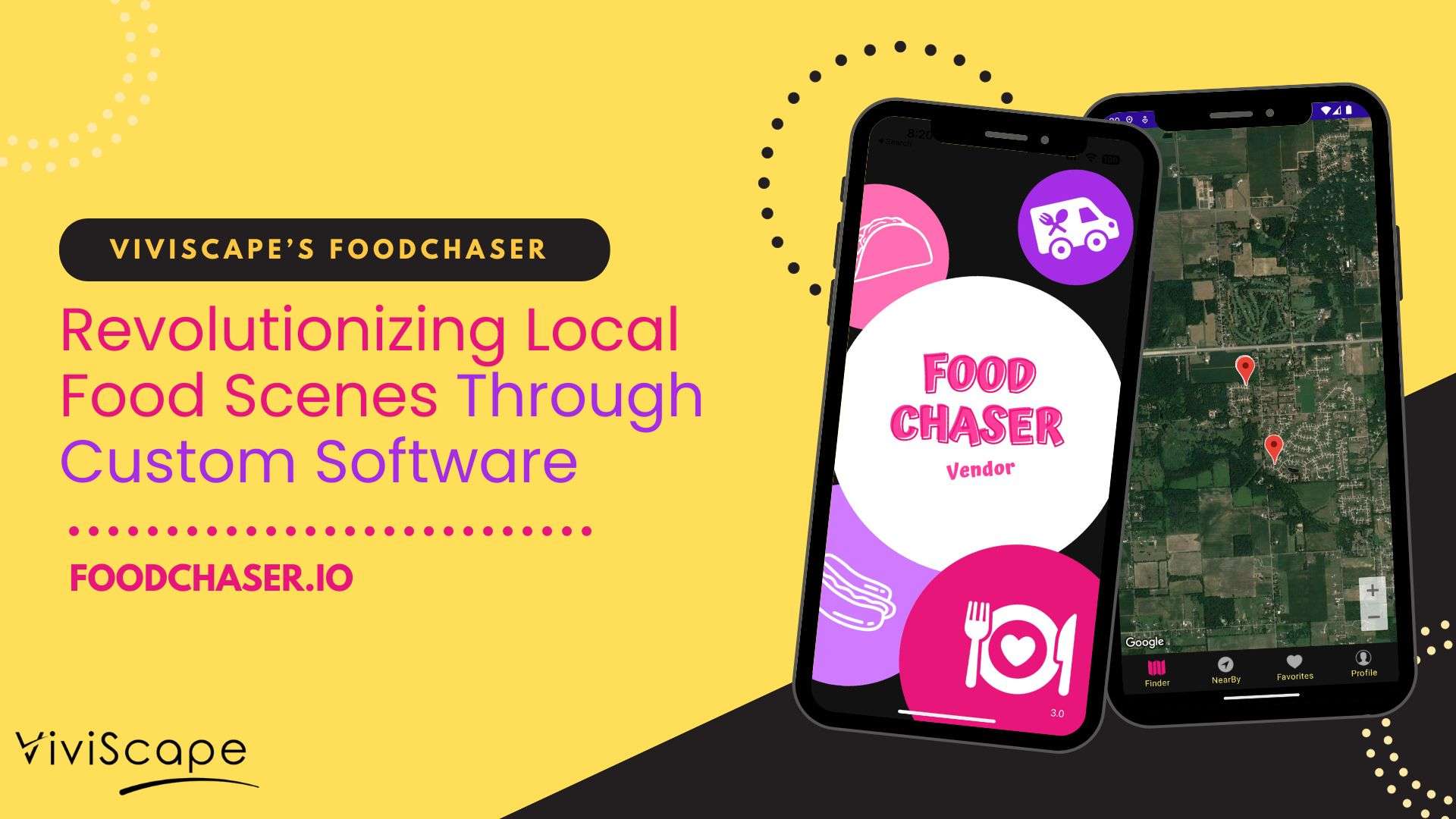
Disconnected systems mean wasted time and data silos. Here's why integrating your tools should be a top priority.
Read more
Digital transformation doesn't have to be overwhelming. A step-by-step approach makes it achievable for any business.
Read more
From quality control to supply chain management, AI is helping manufacturers work smarter and more efficiently.
Read more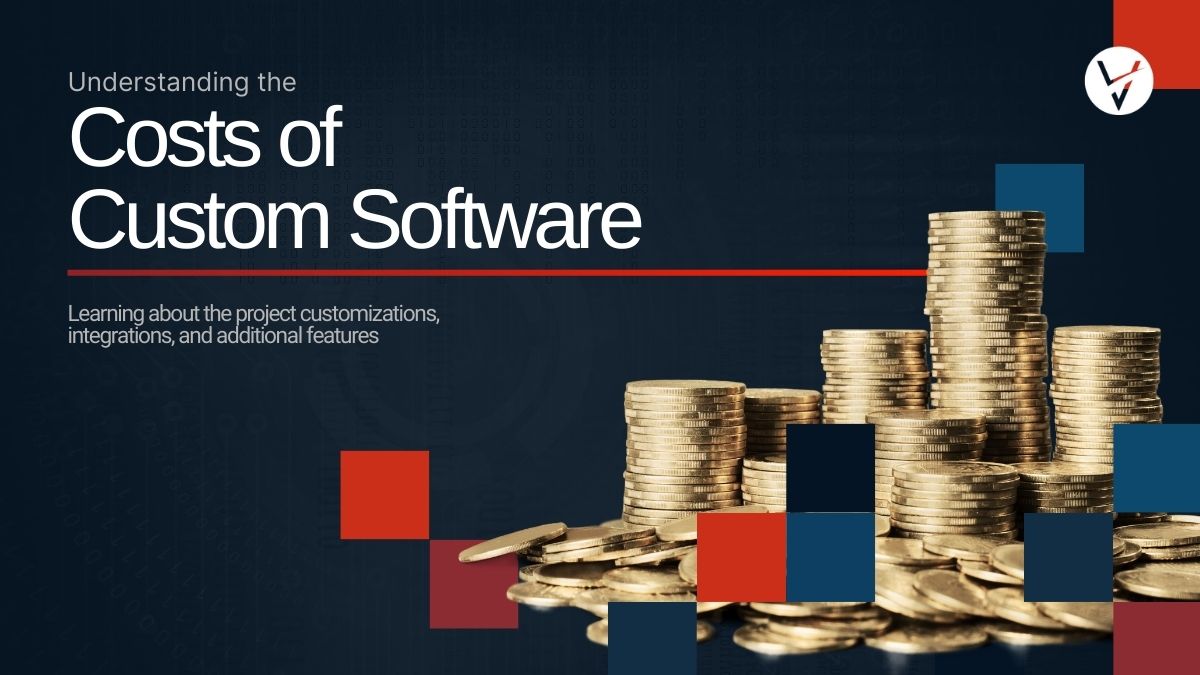
Software budgets don't have to be a mystery. Learn what to expect and how to plan for a successful project.
Read more
Data breaches are costly and damaging. Here are the essential steps every business should take to protect customer data.
Read more
SaaS has transformed how businesses access software. But is a subscription model the right fit for your needs?
Read more
Manual processes eat up time and introduce errors. Workflow automation frees your team to focus on what matters most.
Read more
More than half of web traffic comes from mobile devices. If your site isn't mobile-first, you're losing customers.
Read more
AI is surrounded by hype and misconceptions. Let's separate fact from fiction so you can make smarter decisions.
Read more
BI dashboards turn raw data into actionable insights, helping leaders make faster, smarter decisions.
Read more
A well-written RFP sets the stage for a successful software project. Here's how to write one that gets results.
Read more
APIs are the invisible connectors that make modern software work together. Here's why they matter for your business.
Read more
IT projects fail more often than you'd think. Here are the most common reasons — and how to avoid them.
Read more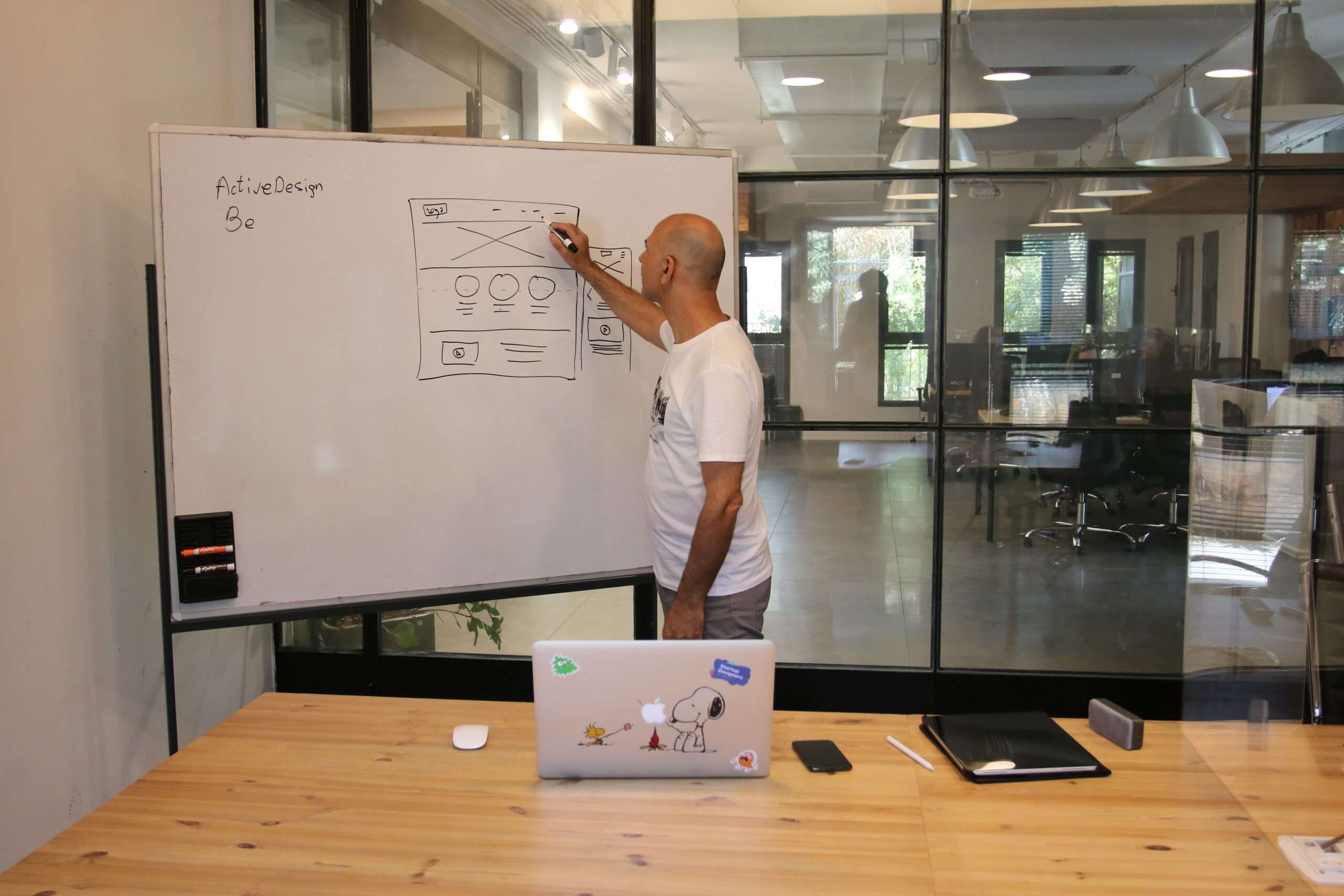
Good UX isn't just for consumer apps. Business software with great user experience drives adoption and productivity.
Read more
AI-powered customer service is changing expectations. From chatbots to sentiment analysis, here's what's working.
Read more
If you're working around your software instead of with it, it might be time to consider a custom solution.
Read more
Technology changes fast, but the right strategy helps you stay ahead instead of constantly playing catch-up.
Read more
Your website works 24/7, never takes a day off, and is often the first impression customers have of your business.
Read more
Technical debt builds silently, slowing your team and increasing costs. Understanding it is the first step to managing it.
Read more
AI sounds expensive and complex. But for small businesses, the ROI can be surprisingly fast — if you know where to start.
Read more
You don't need a big R&D budget to innovate. Small teams can foster creativity with the right mindset and tools.
Read more
The cloud vs. on-premise debate depends on your specific needs. Here's how to make the right choice for your business.
Read more
Sticking with outdated technology might feel safe, but the hidden costs of inaction can far exceed the cost of upgrading.
Read more
Choosing the right software development partner is one of the most important decisions you'll make. Here's what to look for.
Read more
Automation saves time and money, but the best implementations keep the human element where it matters most.
Read more
Cybersecurity isn't just for big corporations. Every business is a target, and the basics can prevent most attacks.
Read more
Great software isn't just about features — it's about reliability, usability, and solving real problems elegantly.
Read more
Most businesses are sitting on valuable data they never use. Here's how to turn your data into actionable decisions.
Read more
You don't need an enterprise budget to use enterprise-grade technology. These tools level the playing field.
Read more
The real threat isn't AI replacing workers — it's workers who use AI outperforming those who don't.
Read more
Should you build custom software or buy off the shelf? The answer depends on your unique business needs and goals.
Read more
The most successful businesses don't lead with products — they lead with solutions to real customer problems.
Read moreTalk to ViviScape about a custom software or AI build. Most engagements ship the first wins inside 90 days.
Book a Free Consultation